This post contains affiliate links. As an Amazon Associate I earn from qualifying purchases. If you click a link and make a purchase, I may receive a small commission at no extra cost to you.
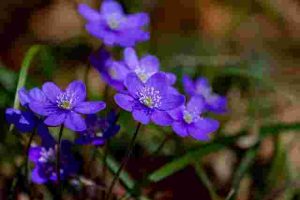
Image Credit: Pixabay
Growing flowers is one of the most enjoyable parts of gardening, but even experienced gardeners occasionally make mistakes that can affect plant health and reduce blooming.
Many common problems, such as poor flowering, yellow leaves, weak stems, or pest infestations, can often be traced back to a few avoidable errors.
The good news is that most flower-growing mistakes are easy to correct once you understand what causes them. By providing the right growing conditions and maintaining consistent care, you can enjoy healthier plants and a longer season of colorful blooms.
Whether you’re growing annuals, perennials, flowers in containers, or an entire flower bed, learning what to avoid is just as important as knowing what to do.
This guide explores the most common flower growing mistakes and how to avoid them so your garden can thrive throughout the growing season.
Planting Flowers in the Wrong Location
One of the biggest mistakes gardeners make is placing flowers in areas that don’t meet their sunlight requirements.
Many flowering plants require at least six hours of direct sunlight each day to produce abundant blooms.
Others naturally prefer partial shade or filtered light.
Planting sun-loving flowers in deep shade often results in healthy foliage but very few flowers.
Before planting, always check the light requirements of each flower and observe how much sunlight your garden receives throughout the day.
Overwatering Plants
Many gardeners assume that more water automatically leads to healthier flowers.
In reality, excessive watering is one of the most common causes of root rot and poor plant health.
Constantly saturated soil prevents roots from receiving the oxygen they need.
Water deeply when the soil begins to dry rather than watering lightly every day.
Good drainage is equally important for preventing waterlogged roots.
Underwatering During Hot Weather
While overwatering is common, allowing flowers to become severely dry also causes problems.
Drought stress may lead to:
- Wilting.
- Brown leaf edges.
- Bud drop.
- Reduced flowering.
- Premature plant decline.
Monitor soil moisture regularly, especially during periods of high temperatures or extended dry weather.
Ignoring Soil Quality
Healthy flowers begin with healthy soil.
Poor soil may lack the nutrients, drainage, or structure needed for strong root development.
Adding compost or well-rotted organic matter before planting improves soil fertility while increasing moisture retention and drainage.
Testing your soil can also help identify nutrient deficiencies or pH problems that may limit flower production.
Planting Too Close Together
Overcrowded flower beds reduce air circulation and increase competition for sunlight, nutrients, and water.
Poor airflow also creates favorable conditions for fungal diseases.
Always follow recommended plant spacing guidelines to allow each flower enough room to mature.
Proper spacing often results in healthier plants and more abundant blooms.
Using Too Much Fertilizer
Many gardeners believe extra fertilizer will produce extra flowers.
However, excessive feeding—particularly with high-nitrogen fertilizers—often encourages leafy growth instead of blooms.
Overfertilizing may also damage roots and cause fertilizer burn.
Use fertilizers according to label directions and select products formulated for flowering plants whenever appropriate.
Skipping Deadheading
Many flowering plants continue blooming much longer when faded flowers are removed regularly.
If spent blooms remain on the plant, energy is often redirected toward seed production instead of creating new flowers.
Deadheading encourages many annuals and perennials to produce additional blooms throughout the growing season.
Make deadheading part of your regular gardening routine.
Ignoring Pest Problems
Small pest populations can quickly become serious infestations if left untreated.
Inspect your flowers regularly for signs of:
- Aphids.
- Spider mites.
- Whiteflies.
- Japanese beetles.
- Caterpillars.
- Thrips.
Early detection allows you to manage pests before they significantly damage your plants.
Overlooking Plant Diseases
Fungal and bacterial diseases spread more easily when environmental conditions favor their development.
Watch for symptoms such as:
- Leaf spots.
- Powdery mildew.
- Gray mold.
- Stem rot.
- Yellowing leaves.
Proper watering, good airflow, and removing infected plant material help reduce disease problems.
Choosing Flowers Unsuited to Your Climate
Some flowers naturally perform better in certain climates than others.
Selecting plants that are poorly adapted to your local temperatures, humidity, or rainfall often leads to disappointing results.
Choose flowers that are appropriate for your growing region and hardiness zone whenever possible.
Climate-appropriate plants generally require less maintenance and produce better blooms.
Neglecting Mulch
Mulch offers several important benefits for flowering plants.
It helps retain soil moisture, suppresses weeds, regulates soil temperature, and gradually improves soil quality as organic mulches break down.
Apply approximately 2 to 3 inches of mulch while keeping it away from direct contact with plant stems.
Proper mulching reduces maintenance throughout the growing season.
Pruning at the Wrong Time
Improper pruning can remove developing flower buds and reduce blooming.
Different flowering plants have different pruning schedules.
Some bloom on old wood, while others bloom on new growth.
Learning when your particular flowers should be pruned helps preserve future blooms.
Expecting Instant Results
Many gardeners become discouraged if flowers don’t immediately produce abundant blooms.
Healthy root development often occurs before vigorous top growth or flowering becomes visible.
Young perennials, in particular, may require one or two growing seasons before reaching their full flowering potential.
Patience is often rewarded with stronger, healthier plants in future years.
Not Reading Plant Labels
Plant tags contain valuable information about:
- Sunlight requirements.
- Watering needs.
- Mature size.
- Hardiness zones.
- Spacing recommendations.
- Blooming season.
Taking a few moments to read this information before planting helps prevent many common gardening mistakes.
Simple Tips for Growing Healthier Flowers
- Match flowers to your climate and growing conditions.
- Water consistently without overwatering.
- Improve soil with compost before planting.
- Provide adequate sunlight.
- Fertilize according to recommendations.
- Deadhead spent flowers regularly.
- Inspect plants frequently for pests and diseases.
- Allow enough space for proper airflow.
These simple habits help create stronger plants that bloom more consistently throughout the growing season.
Final Thoughts on Common Flower Growing Mistakes and How to Avoid Them
Understanding common flower growing mistakes and how to avoid them can dramatically improve the success of your garden.
By choosing the right location, watering properly, maintaining healthy soil, feeding appropriately, controlling pests, and providing consistent care, you’ll create ideal conditions for beautiful flowers that continue blooming for months.
Every gardener makes mistakes from time to time, but each season provides new opportunities to learn and improve.
With careful observation and a willingness to adjust your gardening practices, you’ll enjoy healthier plants, more vibrant blooms, and a flower garden that becomes more beautiful with every passing year.