This post contains affiliate links. As an Amazon Associate I earn from qualifying purchases. If you click a link and make a purchase, I may receive a small commission at no extra cost to you.
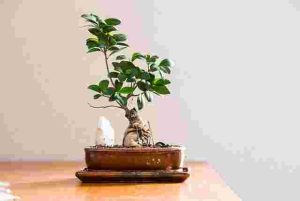
Image Credit: Pixabay
Adding houseplants to your home is one of the easiest ways to create a more welcoming, relaxing, and vibrant living space.
Besides enhancing your home’s appearance, indoor plants can make rooms feel more inviting and bring a touch of nature indoors.
However, not every houseplant thrives in every part of the home.
Different rooms have unique lighting conditions, humidity levels, temperatures, and available space. A plant that flourishes in a bright living room may struggle in a dim hallway, while a humidity-loving fern might thrive in a bathroom but perform poorly in a dry bedroom.
The secret to successful indoor gardening is matching each plant to the conditions available in your home rather than trying to force every plant to grow in the same environment.
This guide explains how to choose the perfect houseplant for every room, including the key environmental factors to consider and some of the best plant choices for different areas of your home.
Consider the Amount of Natural Light
Light is one of the most important factors when selecting a houseplant.
Before purchasing any plant, observe how much natural light each room receives throughout the day.
Most indoor plants fall into one of these lighting categories:
- Bright direct light: Several hours of direct sunlight each day.
- Bright indirect light: Plenty of light without prolonged direct sun.
- Medium light: Moderate natural light throughout the day.
- Low light: Limited natural light but not complete darkness.
Choosing plants that match the available lighting greatly improves their chances of thriving.
Living Room Houseplants
Living rooms often provide the brightest indoor conditions and enough space for larger plants.
Good choices include:
- Monstera.
- Fiddle leaf fig.
- Rubber plant.
- Bird of paradise.
- Parlor palm.
- Snake plant.
These plants create attractive focal points while adapting well to typical indoor temperatures.
Bedroom Houseplants
Bedrooms usually benefit from calming greenery that requires minimal maintenance.
Excellent options include:
- Snake plant.
- ZZ plant.
- Peace lily.
- Pothos.
- Chinese evergreen.
Most bedrooms provide stable temperatures, making them suitable for many common houseplants.
Kitchen Houseplants
Kitchens often experience higher humidity and warmer temperatures from cooking.
Compact plants that tolerate these changing conditions work especially well.
Popular choices include:
- Herbs such as basil, parsley, and mint.
- Aloe vera.
- Pothos.
- Spider plant.
- Philodendron.
Sunny kitchen windows are also excellent locations for many edible herbs.
Bathroom Houseplants
Bathrooms naturally provide higher humidity than most other rooms.
This makes them ideal for tropical plants that appreciate moist air.
Suitable choices include:
- Boston fern.
- Bird’s nest fern.
- Peace lily.
- Orchids.
- Spider plant.
- Philodendron.
If your bathroom has limited natural light, choose species that tolerate lower lighting conditions.
Office and Home Workspace Plants
Many home offices receive moderate light and benefit from plants that require very little attention.
Easy-care options include:
- ZZ plant.
- Snake plant.
- Pothos.
- Cast iron plant.
- Chinese evergreen.
These plants generally tolerate occasional missed waterings, making them ideal for busy work schedules.
Hallways and Entryways
Hallways often receive less natural light than other rooms.
Select plants known for tolerating lower light conditions.
Good options include:
- Snake plant.
- ZZ plant.
- Cast iron plant.
- Pothos.
- Dracaena.
Avoid placing high-light plants in dark hallways unless supplemental lighting is available.
Consider Humidity Levels
Humidity varies considerably throughout the home.
Tropical plants often prefer higher humidity, while succulents and cacti thrive in drier conditions.
If your home has particularly dry air during winter, using a humidifier or grouping plants together may improve growing conditions for moisture-loving species.
Think About Available Space
Always consider the mature size of a houseplant before purchasing it.
A small young plant may eventually become several feet tall or wide.
Larger plants make impressive statement pieces in spacious rooms, while compact varieties work better for shelves, desks, windowsills, and apartments.
Planning ahead reduces the need for frequent relocation.
Match the Plant to Your Lifestyle
Some plants require more care than others.
If you travel frequently or have a busy schedule, choose hardy, drought-tolerant plants that tolerate occasional missed waterings.
Low-maintenance favorites include:
- Snake plant.
- ZZ plant.
- Pothos.
- Cast iron plant.
- Aloe vera.
Matching your plant choices to your available time often leads to greater long-term success.
Use Decorative Containers Wisely
The right container complements both your plant and your home’s décor.
However, appearance should never come at the expense of proper drainage.
Choose pots with drainage holes whenever possible.
If using decorative cachepots, remove the inner nursery pot during watering and allow excess water to drain completely before returning it.
Rotate Plants Occasionally
Houseplants naturally grow toward available light.
Rotating pots every few weeks encourages more balanced growth and prevents plants from leaning heavily in one direction.
This simple maintenance habit helps keep plants looking symmetrical and attractive.
Common Mistakes When Choosing Houseplants
Avoid these common mistakes when selecting indoor plants.
- Ignoring available light.
- Choosing plants that outgrow the room.
- Placing humidity-loving plants in very dry areas.
- Selecting high-maintenance plants despite a busy schedule.
- Using containers without drainage holes.
- Buying plants based only on appearance.
Considering both your home’s environment and your lifestyle helps ensure lasting success.
Can You Move Houseplants Between Rooms?
Yes, but frequent relocation isn’t always ideal.
Houseplants often need time to adjust to changes in light, humidity, and temperature.
If a plant isn’t thriving, gradually moving it to a more suitable location may improve its health.
Once you find an environment where the plant grows well, it’s usually best to leave it there rather than moving it regularly.
Final Thoughts on How to Choose the Perfect Houseplant for Every Room
Learning how to choose the perfect houseplant for every room begins with understanding the unique growing conditions throughout your home.
By matching plants to available light, humidity, temperature, space, and your own lifestyle, you’ll create an indoor garden that’s both beautiful and easy to maintain.
Whether you’re decorating a sunny living room, a humid bathroom, a productive home office, or a cozy bedroom, there’s a houseplant perfectly suited to each space.
Making thoughtful plant selections from the beginning allows your indoor plants to stay healthy, attractive, and rewarding for many years to come.