This post contains affiliate links. As an Amazon Associate I earn from qualifying purchases. If you click a link and make a purchase, I may receive a small commission at no extra cost to you.
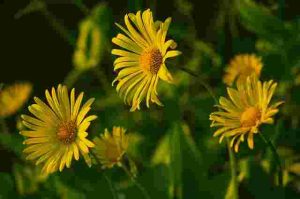
Image Credit: Pixabay
One of the most important factors in creating a healthy, colorful garden is choosing flowers that are well suited to your local climate.
Even the healthiest plants can struggle if they’re grown in temperatures, rainfall patterns, or humidity levels that don’t match their natural growing conditions.
Many gardeners focus on flower color or appearance when shopping for plants, but climate compatibility often has a much greater impact on long-term success. Selecting flowers that naturally thrive in your region usually results in healthier plants, longer blooming seasons, and less maintenance throughout the year.
The good news is that there are beautiful flowers available for virtually every climate, from cool northern regions to hot, humid, or drought-prone areas.
This guide explains how to choose the right flowers for your climate, what environmental factors to consider, and how to create a thriving flower garden that flourishes year after year.
Why Climate Matters When Choosing Flowers
Every flower species has evolved to grow under certain environmental conditions.
Temperature, sunlight, rainfall, humidity, and seasonal changes all influence how well a plant grows and blooms.
When flowers are grown in conditions similar to their natural habitat, they usually require less watering, fewer fertilizers, and less overall maintenance.
Choosing climate-appropriate plants also reduces the risk of disease, poor flowering, and winter damage.
Know Your Plant Hardiness Zone
One of the best starting points is identifying your plant hardiness zone.
Hardiness zones are based primarily on the average annual minimum winter temperatures in your region.
These zones help gardeners determine which perennial flowers, shrubs, and trees are most likely to survive winter outdoors.
When purchasing plants, check the recommended hardiness zones on the plant label or seed packet.
Selecting flowers suited to your zone greatly increases their chances of thriving for many years.
Consider Your Summer Temperatures
Winter isn’t the only factor that affects flowering plants.
Some flowers perform beautifully in cool summers but struggle during prolonged heat waves.
Others thrive in hot conditions and continue blooming despite high temperatures.
If you live in an area with long, hot summers, choose heat-tolerant flowers that continue flowering even during periods of intense sunshine.
Evaluate Sunlight in Your Garden
Different flowers have different light requirements.
Before selecting plants, observe how much sunlight each part of your garden receives throughout the day.
Common light categories include:
- Full sun: At least six hours of direct sunlight daily.
- Partial sun or partial shade: Approximately three to six hours of sunlight.
- Full shade: Less than three hours of direct sunlight.
Choosing flowers that match your available sunlight encourages stronger growth and more abundant blooms.
Understand Your Rainfall Patterns
Local rainfall significantly influences flower selection.
Some plants naturally tolerate dry conditions, while others require consistently moist soil.
If your region experiences frequent droughts, drought-tolerant flowers may perform much better than moisture-loving species.
In wetter climates, select flowers that tolerate regular rainfall and good humidity without developing fungal diseases.
Consider Humidity Levels
Humidity affects how plants lose moisture through their leaves.
Some flowers thrive in humid environments, while others are more susceptible to fungal diseases when humidity remains consistently high.
If you live in a humid climate, provide adequate spacing between plants to improve airflow and reduce disease pressure.
Selecting humidity-tolerant varieties often leads to healthier plants.
Pay Attention to Soil Conditions
Your local soil plays an important role in flower health.
Some flowers prefer sandy, well-drained soil, while others grow best in rich, moisture-retentive loam.
Heavy clay soils drain more slowly and may require amendments before planting certain species.
Improving soil with compost often benefits many flowering plants regardless of climate.
Choose Native Flowers Whenever Possible
Native flowers are naturally adapted to the local climate, rainfall, soil, and wildlife.
Because they’ve evolved under local conditions, they often require less supplemental watering and fewer fertilizers than non-native species.
Native flowers also provide valuable food and habitat for pollinators such as bees, butterflies, and hummingbirds.
Including native species creates a more resilient and environmentally friendly garden.
Select Annuals and Perennials Wisely
Annual Flowers
Annuals complete their life cycle within one growing season.
They often produce continuous blooms from planting until frost, making them excellent choices for seasonal color.
Since they’re replanted each year, hardiness zones are generally less important.
Perennial Flowers
Perennials return year after year if they’re hardy in your climate.
Choosing perennial flowers suited to your hardiness zone ensures they survive winter and continue blooming in future seasons.
Think About Wind Exposure
Strong winds can damage delicate flowers, dry out soil more quickly, and increase moisture loss from leaves.
If your garden experiences frequent windy conditions, choose sturdy flower varieties or plant them near fences, hedges, or other windbreaks.
Supporting taller flowers with stakes may also prevent stem damage.
Plan for Seasonal Interest
Instead of choosing flowers that all bloom at the same time, combine plants with different flowering periods.
This creates a colorful garden throughout the growing season.
For example:
- Spring-blooming flowers provide early color.
- Summer flowers create vibrant displays during warm weather.
- Late-season bloomers extend garden interest into autumn.
Layering bloom times ensures your landscape remains attractive for many months.
Visit Local Garden Centers
Plants sold by local nurseries are often selected specifically for regional growing conditions.
Garden center staff can also recommend flower varieties that consistently perform well in your area.
Observing which flowers are commonly grown in nearby landscapes provides additional clues about what thrives locally.
Local experience is often one of the most valuable gardening resources available.
Common Mistakes When Choosing Flowers
Avoid these common mistakes that can lead to disappointing results.
- Ignoring your hardiness zone.
- Choosing flowers based only on appearance.
- Planting sun-loving flowers in deep shade.
- Ignoring soil drainage.
- Selecting moisture-loving plants for drought-prone gardens.
- Overlooking mature plant size.
- Not considering seasonal bloom times.
Matching plants to your environment almost always produces better long-term success than trying to force unsuitable plants to survive.
Can You Grow Flowers Outside Their Preferred Climate?
In some cases, yes.
Container gardening, greenhouses, shade cloth, irrigation systems, and winter protection can help gardeners grow flowers outside their natural climate range.
However, these methods usually require additional care and maintenance.
For beginners, selecting flowers naturally suited to the local climate is often the easiest and most successful approach.
Final Thoughts on How to Choose the Right Flowers for Your Climate
Learning how to choose the right flowers for your climate is one of the smartest decisions you can make as a gardener.
Considering hardiness zones, sunlight, rainfall, humidity, soil conditions, and seasonal temperatures allows you to select plants that naturally thrive in your environment.
Rather than constantly struggling to keep unsuitable plants alive, climate-appropriate flowers reward you with healthier growth, longer blooming seasons, and lower maintenance.
By matching your flower selections to your local conditions, you’ll create a beautiful, resilient garden that continues to flourish year after year with less effort and greater success.