This post contains affiliate links. As an Amazon Associate I earn from qualifying purchases. If you click a link and make a purchase, I may receive a small commission at no extra cost to you.
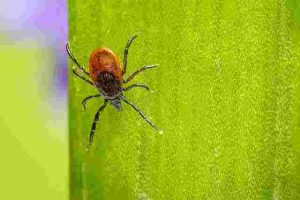
Image Credit: Pixabay
Spider mites are among the smallest yet most destructive pests that gardeners encounter.
Although they are barely visible to the naked eye, these tiny arachnids can multiply rapidly and cause significant damage to vegetables, flowers, shrubs, fruit trees, and houseplants.
Left untreated, a heavy infestation can weaken plants, reduce growth, damage leaves, and even kill young or already stressed plants.
The good news is that spider mites can often be managed successfully without using harsh chemical pesticides.
Natural control methods, combined with proper plant care and regular monitoring, can reduce infestations while protecting beneficial insects and maintaining the overall health of your garden.
Successful spider mite control focuses on early detection, creating unfavorable conditions for the mites, and encouraging natural predators that help keep their populations in balance.
This guide explains how to control spider mites without harming your plants, including how to identify infestations, natural treatment options, and preventive measures to reduce future outbreaks.
What Are Spider Mites?
Spider mites are tiny arachnids rather than true insects.
Most species measure less than one millimeter in length, making them difficult to see without close inspection.
They feed by piercing plant cells and sucking out their contents, gradually weakening the plant.
Spider mites thrive in warm, dry conditions and reproduce rapidly, allowing small populations to become major infestations within a short time.
Signs of a Spider Mite Infestation
Early detection is one of the most effective ways to control spider mites naturally.
Common symptoms include:
- Tiny yellow or white speckles on leaves.
- Fine webbing between leaves and stems.
- Leaves that appear dusty or bronze-colored.
- Curling or drying foliage.
- Premature leaf drop.
- Slow or stunted plant growth.
Spider mites usually begin feeding on the undersides of leaves, so inspect these areas carefully during routine garden checks.
Why Spider Mites Damage Plants
Spider mites feed by removing the contents of individual plant cells.
As feeding continues, leaves lose chlorophyll, reducing the plant’s ability to perform photosynthesis.
Heavy infestations weaken plants, reduce flowering and fruit production, and increase susceptibility to other stresses such as drought and disease.
Young plants and those already weakened by poor growing conditions are especially vulnerable.
Inspect Plants Regularly
Frequent inspections help you identify spider mites before they spread throughout the garden.
Check:
- The undersides of leaves.
- New growth.
- Leaf joints.
- Areas showing discoloration.
A simple magnifying glass can make the tiny mites much easier to see.
Early intervention is almost always more successful than treating severe infestations.
Increase Humidity Around Plants
Spider mites thrive in hot, dry environments.
Increasing humidity makes conditions less favorable for their reproduction.
Outdoor plants often benefit from occasional overhead rinsing during dry weather, provided the plant species tolerates wet foliage.
For houseplants, using a humidifier or grouping plants together may help discourage spider mite populations.
Wash Plants With Water
A strong stream of water is one of the simplest and safest methods for reducing spider mite populations.
Spray both the upper and lower surfaces of the leaves, paying particular attention to areas where webbing is visible.
The water dislodges many mites and removes dust that can make conditions more favorable for them.
Repeat this process every few days until the infestation declines.
Remove Heavily Infested Leaves
If only a few leaves or stems are heavily affected, pruning them may significantly reduce the spider mite population.
Use clean, sterilized pruning shears and dispose of the removed plant material away from the garden.
Removing heavily infested foliage also helps prevent mites from spreading to nearby plants.
Encourage Beneficial Predators
Several beneficial insects and predatory mites naturally feed on spider mites.
Helpful predators include:
- Predatory mites.
- Ladybugs.
- Lacewings.
- Minute pirate bugs.
Growing flowering plants that provide nectar and pollen helps encourage these beneficial predators to remain in your garden.
A healthy ecosystem often keeps spider mite populations below damaging levels.
Apply Insecticidal Soap
Insecticidal soap is commonly used to manage spider mites naturally.
It works through direct contact, disrupting the pests’ protective outer coating.
Spray both sides of the leaves thoroughly because spider mites often hide underneath the foliage.
Repeat applications may be necessary since new mites may hatch after the initial treatment.
Use Neem Oil Carefully
Neem oil is another effective natural treatment for spider mites.
It interferes with feeding and reproduction while helping reduce future infestations.
Apply neem oil according to the manufacturer’s directions during cooler parts of the day, such as early morning or evening.
Avoid applying neem oil during periods of intense sunlight to reduce the risk of leaf injury.
Keep Plants Healthy
Healthy plants are naturally more resistant to pest problems.
Provide:
- Proper watering.
- Adequate sunlight.
- Balanced fertilization.
- Good soil quality.
- Appropriate spacing.
Plants growing under favorable conditions recover more quickly after minor spider mite damage.
Avoid Plant Stress
Spider mites often attack stressed plants more aggressively.
Drought stress, poor nutrition, overcrowding, and excessive heat can all make plants more vulnerable.
Maintaining consistent growing conditions helps reduce the likelihood of severe infestations.
Healthy plants are better equipped to withstand occasional pest pressure.
Keep the Garden Clean
Regular garden maintenance helps reduce hiding places for pests.
Remove:
- Dead leaves.
- Plant debris.
- Weeds.
- Damaged foliage.
Good sanitation also improves air circulation and reduces other pest and disease problems throughout the garden.
Quarantine New Plants
Spider mites are often introduced on newly purchased plants.
Inspect new plants carefully before placing them near established garden or houseplants.
If possible, keep new plants separate for a short period while monitoring them for signs of pests.
This simple precaution helps prevent accidental infestations.
Common Mistakes When Treating Spider Mites
Avoid these common mistakes that often allow infestations to worsen.
- Ignoring early warning signs.
- Inspecting only the tops of leaves.
- Allowing plants to remain drought-stressed.
- Applying treatments only once.
- Using excessive nitrogen fertilizer.
- Ignoring nearby infested plants.
- Removing beneficial insects through unnecessary pesticide use.
Correcting these mistakes significantly improves long-term spider mite control.
Can Plants Recover After Spider Mite Damage?
Most healthy plants recover successfully after spider mite populations are reduced.
New leaves usually emerge healthy once feeding stops, although severely damaged foliage may not recover.
Continue providing proper watering, balanced nutrition, and appropriate light while monitoring the plant for any signs of returning mites.
Consistent care supports vigorous new growth during recovery.
Prevent Future Spider Mite Infestations
Prevention is often easier than treatment.
Simple preventive practices include:
- Inspecting plants regularly.
- Maintaining proper watering.
- Increasing humidity where appropriate.
- Encouraging beneficial predators.
- Keeping gardens clean.
- Avoiding excessive fertilizer.
- Quarantining new plants.
Combining these habits creates an environment where spider mites are less likely to become established.
Final Thoughts on How to Control Spider Mites Without Harming Your Plants
Learning how to control spider mites without harming your plants allows you to protect your garden while preserving beneficial insects and maintaining a healthy growing environment.
Regular inspections, increased humidity, water sprays, careful pruning, beneficial predators, insecticidal soap, neem oil, and proper plant care all work together to reduce spider mite populations naturally.
Rather than relying on harsh chemicals, a preventive approach focused on healthy plants and early intervention often provides the most reliable long-term results.
With consistent monitoring and natural gardening practices, you can keep spider mites under control and enjoy healthier vegetables, flowers, shrubs, and houseplants throughout the growing season.