This post contains affiliate links. As an Amazon Associate I earn from qualifying purchases. If you click a link and make a purchase, I may receive a small commission at no extra cost to you.
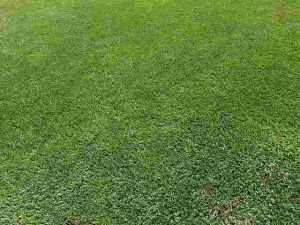
Image Credit: Pixabay
A thick, lush lawn is one of the best ways to improve the appearance of your home while creating a comfortable outdoor space for relaxing, entertaining, and enjoying nature.
A healthy lawn not only looks beautiful but also helps suppress weeds, reduce soil erosion, and tolerate foot traffic more effectively.
While many homeowners rely heavily on synthetic fertilizers and chemical treatments to achieve a green lawn, it’s entirely possible to grow a thick lawn naturally with the right care and consistent maintenance.
Natural lawn care focuses on building healthy soil, encouraging deep root growth, and creating conditions where grass can thrive without excessive chemical inputs.
A strong lawn naturally resists weeds, pests, and many common lawn diseases, making it easier to maintain over time.
Growing a dense lawn doesn’t happen overnight.
It requires patience, proper mowing, watering, fertilizing, and seasonal care.
Fortunately, these practices are simple to learn and become easier as your lawn becomes healthier each year.
This guide explains how to grow a thick lawn naturally, including soil preparation, watering techniques, mowing practices, and long-term maintenance strategies that encourage vigorous grass growth.
Start With Healthy Soil
Healthy grass begins beneath the surface.
Strong root systems develop in soil that provides good drainage, adequate nutrients, and plenty of organic matter.
Add compost regularly to improve soil structure and increase beneficial microbial activity.
Healthy soil retains moisture more effectively while allowing roots to access oxygen and nutrients.
Improving the soil creates the foundation for a thicker, healthier lawn.
Choose the Right Grass for Your Climate
Different grass species perform best under different growing conditions.
Selecting grass that matches your local climate greatly improves your chances of establishing a dense lawn.
Cool-season grasses generally perform best in cooler regions, while warm-season grasses thrive in hotter climates.
Choosing the appropriate variety reduces stress and improves long-term lawn health.
Test Your Soil
Before making major changes to your lawn care routine, consider testing your soil.
A soil test can reveal:
- Soil pH.
- Nutrient levels.
- Organic matter content.
- Recommendations for soil improvement.
Knowing what your soil needs helps you apply the right amendments instead of guessing.
Mow at the Proper Height
Mowing plays a major role in developing a thick lawn.
Cutting grass too short weakens the plants and encourages weed growth.
Most lawns benefit from maintaining a relatively taller mowing height appropriate for the grass species.
Taller grass shades the soil, conserves moisture, and encourages deeper root growth.
Avoid removing more than one-third of the grass blade during a single mowing.
Keep Mower Blades Sharp
Dull mower blades tear grass instead of making clean cuts.
Torn grass tips lose moisture more quickly and are more susceptible to disease.
Sharpen mower blades regularly throughout the growing season.
Clean cuts heal faster and contribute to a healthier, greener lawn.
Water Deeply and Infrequently
One of the most effective natural lawn care practices is watering deeply rather than frequently.
Deep watering encourages roots to grow farther into the soil, making the lawn more drought tolerant.
Frequent shallow watering often produces weak root systems.
Water early in the morning whenever possible to reduce evaporation and allow the grass to dry during the day.
Leave Grass Clippings on the Lawn
Grasscycling is an easy way to recycle nutrients naturally.
Short grass clippings break down quickly and return valuable nutrients to the soil.
When mowing regularly, clippings usually do not contribute to thatch buildup.
Leaving them on the lawn reduces the need for additional fertilizer while improving soil health.
Feed Your Lawn Naturally
Organic fertilizers provide nutrients gradually while improving soil biology.
Natural lawn fertilizers may include:
- Compost.
- Composted manure.
- Organic lawn fertilizer blends.
- Leaf compost.
Slow-release organic nutrients encourage steady growth without producing excessive, weak foliage.
Overseed Thin Areas
Overseeding helps fill bare patches and increases lawn density.
Apply new grass seed to thin areas during the appropriate season for your grass type.
Lightly rake the soil before seeding and keep it consistently moist until the new grass becomes established.
Regular overseeding gradually creates a fuller, more uniform lawn.
Aerate Compacted Soil
Heavy foot traffic gradually compacts soil, making it difficult for roots to grow.
Lawn aeration removes small plugs of soil, improving:
- Air movement.
- Water infiltration.
- Nutrient absorption.
- Root development.
Aerating every year or two can significantly improve lawn thickness, especially in heavily used areas.
Control Weeds Naturally
A thick lawn is one of the best natural weed prevention methods.
Dense grass leaves little room for weeds to establish.
Hand-pull weeds when populations are small and correct underlying lawn care issues that create open spaces.
Healthy grass naturally outcompetes many common weeds over time.
Manage Thatch Carefully
A thin layer of thatch is normal and beneficial.
However, excessive thatch can block water, air, and nutrients from reaching the soil.
If thatch becomes too thick, dethatching may improve lawn health.
Proper mowing, watering, and organic soil management often help prevent excessive buildup.
Reduce Lawn Stress
Healthy lawns recover more quickly from environmental stress.
Avoid unnecessary traffic on drought-stressed or frozen grass.
Maintain proper mowing and watering schedules during periods of heat.
Reducing stress encourages steady root development and thicker growth.
Improve Sunlight Exposure
Grass requires adequate sunlight to produce dense growth.
If nearby trees or shrubs create excessive shade, consider selective pruning to increase light penetration.
For heavily shaded areas, choose grass varieties that tolerate lower light conditions if appropriate.
Providing enough sunlight significantly improves lawn density.
Water New Seed Carefully
Freshly seeded lawns require different watering than established grass.
Keep the surface consistently moist until germination occurs.
Once seedlings become established, gradually transition to deeper, less frequent watering.
This encourages stronger root development from an early stage.
Seasonal Lawn Maintenance
Different seasons require slightly different lawn care practices.
Spring is ideal for cleanup, light fertilization, and weed monitoring.
Summer focuses on proper watering and mowing.
Autumn is often the best time for overseeding, aeration, and compost application.
Adjusting your maintenance routine throughout the year supports consistent lawn health.
Common Mistakes That Prevent Thick Lawn Growth
Avoid these common lawn care mistakes.
- Mowing too short.
- Watering lightly every day.
- Ignoring soil quality.
- Using dull mower blades.
- Skipping overseeding.
- Allowing soil compaction to develop.
- Overfertilizing.
- Ignoring shade problems.
Correcting these habits often produces noticeable improvements in lawn thickness over time.
How Long Does It Take to Grow a Thick Lawn?
The timeline depends on your starting conditions, grass variety, climate, and maintenance routine.
Minor improvements may become visible within a few weeks, while developing a consistently thick, healthy lawn often requires an entire growing season or longer.
Patience and consistent care produce much better long-term results than attempting rapid growth through excessive fertilizer or watering.
Final Thoughts on How to Grow a Thick Lawn Naturally
Learning how to grow a thick lawn naturally begins with building healthy soil and providing the consistent care that grass needs to develop strong roots and dense growth.
Proper mowing, deep watering, organic fertilization, overseeding, aeration, and regular seasonal maintenance all work together to create a lush lawn that naturally resists weeds, pests, and environmental stress.
Natural lawn care focuses on long-term health rather than quick fixes, making your lawn stronger and easier to maintain with each passing year.
With patience and good gardening practices, you can enjoy a thick, green, healthy lawn that enhances your landscape and provides lasting beauty throughout the growing season.