This post contains affiliate links. As an Amazon Associate I earn from qualifying purchases. If you click a link and make a purchase, I may receive a small commission at no extra cost to you.
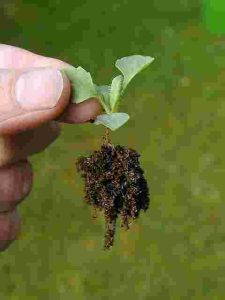
Image Credit: Pixabay
Transplanting is an essential part of gardening, whether you’re moving seedlings into the garden, repotting houseplants, or relocating established plants to a new area.
While transplanting gives plants more space to grow, it can also place them under temporary stress.
Many plants experience what’s known as transplant shock, a period during which they adjust to their new environment. During this time, they may wilt, stop growing temporarily, or drop a few leaves as their roots re-establish themselves.
The good news is that most healthy plants recover well when given the right care. Proper watering, suitable lighting, and minimizing additional stress can help plants bounce back much faster.
This guide explains how to help plants recover after transplanting, the common signs of transplant shock, and the best practices for encouraging healthy new growth.
What Is Transplant Shock?
Transplant shock is the temporary stress plants experience after being moved from one location to another.
Even when handled carefully, some roots may be disturbed during the process, reducing the plant’s ability to absorb water and nutrients until new roots begin growing.
Most plants recover within a few days to several weeks, depending on the species, growing conditions, and the extent of root disturbance.
Providing stable conditions during this adjustment period greatly improves recovery.
Common Signs of Transplant Shock
It’s normal for transplanted plants to show some temporary symptoms while they adjust.
Common signs include:
- Wilting leaves.
- Drooping stems.
- Slow or paused growth.
- Yellowing leaves.
- Leaf drop.
- Slight browning around leaf edges.
- Reduced flowering.
These symptoms are often temporary and improve as the roots establish themselves in their new environment.
Water Immediately After Transplanting
One of the most important steps after transplanting is watering thoroughly.
Water helps settle the soil around the roots, eliminates large air pockets, and provides moisture while the plant begins recovering.
Allow excess water to drain away completely if the plant is growing in a container.
After the initial watering, continue keeping the soil evenly moist without allowing it to become waterlogged.
Avoid Overwatering
Although transplanted plants need consistent moisture, excessive watering can create new problems.
Roots require oxygen as well as water.
If the soil remains constantly saturated, oxygen levels decrease and root rot may develop.
Check the soil regularly and water only when the top layer begins to dry, unless your particular plant has different moisture requirements.
Protect Plants From Intense Sunlight
Freshly transplanted plants often benefit from temporary protection against strong sunlight.
Bright afternoon sun increases water loss through the leaves before the roots are fully functioning again.
If possible, place houseplants in bright, indirect light or provide temporary shade for outdoor plants during the hottest part of the day.
After several days or weeks, gradually return the plant to its preferred light conditions.
Keep Temperatures Stable
Extreme temperatures can increase transplant stress.
Avoid exposing newly transplanted plants to heat waves, frost, or sudden temperature fluctuations whenever possible.
Most plants recover more successfully when temperatures remain within their normal growing range.
Indoor plants should be kept away from heating vents, air conditioners, and cold drafts during recovery.
Avoid Fertilizing Immediately
Many gardeners assume fertilizer will speed recovery, but feeding too soon can actually stress damaged roots.
Fresh potting mix often contains enough nutrients to support early growth.
Wait approximately two to four weeks before resuming fertilization unless the plant has specialized nutritional needs.
Once new growth appears, normal feeding can usually begin again.
Maintain Proper Humidity
Many houseplants recover more quickly in moderately humid conditions.
Higher humidity reduces moisture loss through the leaves while the root system is still recovering.
You can increase humidity by grouping plants together, using a pebble tray filled with water, or running a humidifier nearby.
Avoid excessive misting if it encourages fungal problems on sensitive plants.
Resist the Urge to Keep Moving the Plant
Once transplanted, allow your plant time to adjust without repeatedly changing its location.
Frequent movement exposes the plant to constantly changing light, temperature, and humidity conditions.
Keeping the environment stable allows the roots to focus on becoming established.
Patience is often one of the most effective recovery tools.
Watch for New Growth
The appearance of new leaves, shoots, or stems is usually one of the best signs that your plant is recovering successfully.
Even if older leaves remain wilted or damaged, healthy new growth indicates that the root system is becoming established.
Continue providing consistent care rather than making sudden changes to your watering or fertilizing routine.
Remove Only Dead or Severely Damaged Leaves
It’s generally best to leave slightly wilted or yellowing leaves on the plant while it recovers.
These leaves may still contribute energy through photosynthesis.
Only remove leaves that have become completely brown, dry, or diseased.
Using clean pruning shears helps reduce the risk of spreading disease.
Support Larger Plants if Necessary
Tall plants or recently transplanted shrubs may become unstable before new roots anchor them securely.
Temporary stakes or supports can help prevent excessive movement caused by wind or accidental bumps.
Remove supports once the plant is growing firmly on its own.
Allowing gentle natural movement later encourages stronger stem development.
Monitor for Pests and Diseases
Plants under stress are sometimes more vulnerable to insect pests and diseases.
Inspect leaves, stems, and the soil regularly during the recovery period.
Look for signs such as:
- Discolored leaves.
- Sticky residue.
- Tiny insects.
- Webbing.
- Mold or mildew.
- Soft or rotting stems.
Addressing problems early prevents additional stress while the plant is recovering.
Common Mistakes After Transplanting
Avoid these common errors that can slow recovery.
- Overwatering.
- Applying fertilizer too soon.
- Exposing the plant to harsh sunlight immediately.
- Repotting into an oversized container.
- Constantly moving the plant.
- Ignoring drainage problems.
- Pruning heavily during recovery.
Providing steady care is usually much more effective than making frequent adjustments.
How Long Does Recovery Take?
Recovery time varies depending on the type of plant and the amount of root disturbance.
Small houseplants may recover within several days.
Larger shrubs, trees, or heavily root-bound plants may require several weeks or even a few months to become fully established.
Patience is important because healthy root development happens below the soil long before vigorous top growth resumes.
Final Thoughts on How to Help Plants Recover After Transplanting
Learning how to help plants recover after transplanting can significantly improve the long-term health of your garden and houseplants.
By watering correctly, protecting plants from excessive sunlight, avoiding early fertilization, maintaining stable growing conditions, and giving roots time to establish, you can reduce transplant shock and encourage healthy new growth.
Most plants are remarkably resilient when provided with proper care and patience.
Even if temporary wilting or slowed growth occurs, consistent attention during the recovery period usually results in stronger, healthier plants.
With these simple transplant recovery techniques, your plants will be well prepared to settle into their new homes and continue thriving throughout the growing season.