This post contains affiliate links. As an Amazon Associate I earn from qualifying purchases. If you click a link and make a purchase, I may receive a small commission at no extra cost to you.
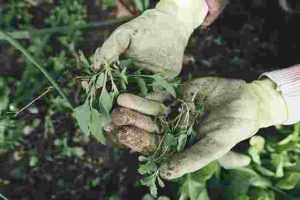
Image Credit: Pixabay
As summer comes to an end, many gardeners begin thinking about harvesting the last vegetables and enjoying the final blooms of the season.
However, fall is much more than a time to clean up the garden.
It’s one of the most important seasons for preparing plants, soil, and garden beds for the months ahead.
The work you do during autumn can have a major impact on the health and productivity of your garden the following spring.
Preparing your garden for fall involves more than simply removing old plants.
It’s an opportunity to improve soil quality, protect perennial plants, plant cool-season crops, divide overcrowded perennials, and prevent pests and diseases from carrying over into the next growing season.
Many trees, shrubs, flowers, and vegetables actually benefit from fall planting because cooler temperatures reduce stress while roots continue developing.
A well-prepared fall garden also requires less work when spring arrives.
By completing important maintenance tasks before winter, you’ll be ready to begin the next growing season with healthier soil, stronger plants, and fewer problems.
This guide explains how to prepare your garden for fall, including essential cleanup tasks, soil improvement, planting opportunities, and protective measures that help gardens thrive year after year.
Harvest Remaining Vegetables
Begin your fall garden preparation by harvesting any remaining mature vegetables.
Leaving overripe produce on plants may attract pests and increase the risk of disease.
Harvest tomatoes, peppers, beans, squash, cucumbers, pumpkins, and other crops before cold weather damages them.
Frequent harvesting also encourages certain vegetables to continue producing for as long as growing conditions allow.
Remove Spent Annual Plants
Annual flowers and vegetables that have completed their growing cycle should be removed from garden beds.
Dead or declining plants often provide shelter for insects and plant diseases.
Pull up spent annuals along with their roots and dispose of any diseased material appropriately.
Healthy plant material may be composted if it shows no signs of disease or severe pest infestations.
Clean Up Plant Debris
Garden sanitation plays an important role in preventing problems next year.
Remove:
- Dead leaves.
- Fallen fruit.
- Broken stems.
- Diseased foliage.
- Weeds.
- Old mulch that may harbor pests if necessary.
Many insects and fungal diseases survive the winter in plant debris, making fall cleanup especially valuable.
Improve Your Soil
Fall is one of the best times to build healthier garden soil.
Add organic matter such as compost to garden beds after removing old plants.
Organic matter improves:
- Soil structure.
- Drainage.
- Moisture retention.
- Nutrient availability.
- Beneficial microbial activity.
During winter, compost continues breaking down and enriching the soil for spring planting.
Test Your Soil
Autumn provides an excellent opportunity to evaluate your garden soil.
A soil test identifies:
- Soil pH.
- Nutrient deficiencies.
- Organic matter levels.
- Recommended amendments.
Making soil improvements during fall gives amendments time to work before the next growing season.
Plant Cool-Season Vegetables
Many vegetables thrive during cooler autumn temperatures.
Depending on your climate, suitable fall crops may include:
- Lettuce.
- Spinach.
- Kale.
- Swiss chard.
- Radishes.
- Carrots.
- Beets.
- Turnips.
- Broccoli.
- Cabbage.
Cool weather often improves the flavor of many leafy greens and root vegetables.
Divide Overgrown Perennials
Many perennial flowers benefit from division every few years.
Fall’s cooler temperatures reduce transplant stress while allowing roots to establish before winter.
Dividing overcrowded plants improves flowering, increases air circulation, and creates additional plants for other areas of the garden.
Always water newly divided plants thoroughly after replanting.
Plant Trees and Shrubs
Fall is an excellent time to plant many trees and shrubs.
Cool temperatures reduce heat stress while warm soil encourages root growth.
Newly planted trees often establish strong root systems before winter dormancy.
This gives them an advantage when vigorous growth resumes in spring.
Plant Spring-Flowering Bulbs
Many popular spring flowers require planting during autumn.
Common examples include:
- Tulips.
- Daffodils.
- Hyacinths.
- Crocuses.
- Alliums.
These bulbs need exposure to winter temperatures before producing flowers the following spring.
Plant them according to the recommended depth for each species.
Apply Fresh Mulch
Organic mulch provides several important benefits during fall and winter.
Mulch helps:
- Insulate soil.
- Reduce temperature fluctuations.
- Conserve moisture.
- Suppress weeds.
- Reduce soil erosion.
Apply approximately 2 to 3 inches of mulch while keeping it slightly away from plant stems and tree trunks.
Continue Watering When Necessary
Plants continue requiring water during autumn, especially newly planted trees, shrubs, and perennials.
Although watering needs decrease as temperatures cool, avoid allowing the soil to become excessively dry before winter.
Well-hydrated plants generally tolerate cold weather better than drought-stressed plants.
Protect Sensitive Plants
Some plants require additional protection before winter arrives.
Depending on your climate, protective measures may include:
- Mulching around roots.
- Applying frost cloths.
- Using row covers.
- Moving containers to sheltered locations.
Preparing early helps prevent damage from unexpected cold weather.
Care for Your Lawn
Fall is also one of the best seasons for lawn maintenance.
Consider:
- Overseeding thin areas.
- Aerating compacted soil.
- Applying compost.
- Removing fallen leaves.
- Maintaining proper mowing height.
Healthy autumn lawn care supports stronger root development before winter dormancy.
Clean and Store Garden Tools
Fall is the ideal time to inspect your gardening equipment.
Clean soil from tools, sharpen blades, oil metal surfaces when appropriate, and store equipment in a dry location.
Proper maintenance extends the lifespan of your tools and ensures they’re ready for spring gardening.
Plan Next Year’s Garden
Autumn provides an excellent opportunity to review the past growing season.
Consider:
- Which vegetables performed well.
- Where crop rotation is needed.
- Which flowers bloomed successfully.
- Areas requiring soil improvement.
- New plants you’d like to grow.
Keeping notes now makes planning much easier during winter.
Common Fall Gardening Mistakes
Avoid these common mistakes that may create problems next season.
- Leaving diseased plants in the garden.
- Ignoring soil improvement.
- Skipping mulch.
- Stopping watering too early.
- Neglecting fall lawn care.
- Failing to plant spring bulbs on time.
- Leaving weeds to produce seeds.
- Forgetting to clean garden tools.
Addressing these tasks now saves considerable work later.
Why Fall Preparation Matters
Many important gardening processes continue beneath the soil even after above-ground growth slows.
Roots continue developing, beneficial soil organisms remain active, and organic matter gradually decomposes throughout the cooler months.
Taking advantage of this period allows your garden to begin the next growing season with healthier soil, stronger plants, and fewer pest and disease problems.
Final Thoughts on How to Prepare Your Garden for Fall
Learning how to prepare your garden for fall is one of the most valuable investments you can make in the long-term health of your landscape.
Harvesting remaining crops, cleaning garden beds, improving the soil, planting cool-season vegetables and spring bulbs, dividing perennials, caring for your lawn, and protecting sensitive plants all contribute to a healthier and more productive garden.
Rather than viewing autumn as the end of the gardening season, think of it as the beginning of next year’s success.
With thoughtful planning and consistent maintenance, your garden will enter winter in excellent condition and be ready to flourish again when spring arrives.