This post contains affiliate links. As an Amazon Associate I earn from qualifying purchases. If you click a link and make a purchase, I may receive a small commission at no extra cost to you.
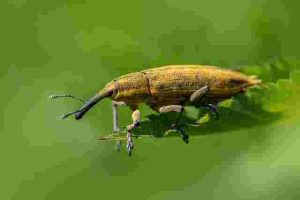
Image Credit: Pixabay
A healthy garden is one of the most rewarding parts of growing plants, but pests can quickly turn months of hard work into disappointment.
Aphids, caterpillars, beetles, slugs, mites, and other common garden pests feed on leaves, stems, flowers, and fruits, weakening plants and reducing harvests.
While some insect activity is a natural part of every garden, large infestations can seriously affect plant health if left unmanaged.
The good news is that preventing pest problems is often much easier than dealing with a severe infestation.
By creating a healthy growing environment and using natural, preventive gardening practices, you can significantly reduce pest damage while supporting beneficial insects and pollinators that help keep your garden balanced.
Successful pest prevention doesn’t rely on a single technique. Instead, it combines healthy soil, proper watering, regular inspections, good sanitation, and encouraging beneficial wildlife to create conditions where plants can thrive and pests are less likely to become overwhelming.
This guide explains how to prevent pests from damaging your garden, including practical prevention strategies, natural pest management techniques, and common mistakes that can make pest problems worse.
Start With Healthy Soil
Healthy plants begin with healthy soil.
Strong, well-nourished plants are naturally more resistant to insects and recover more quickly if minor damage occurs.
Improve your soil by adding compost and other organic matter before planting.
Organic matter improves soil structure, increases beneficial microbial activity, enhances drainage, and helps retain moisture.
Healthy roots produce stronger plants that are better able to tolerate occasional pest feeding.
Choose the Right Plants for Your Climate
Plants that are well suited to your local climate generally experience less stress than those growing outside their preferred conditions.
Stressed plants are often more vulnerable to insect attacks and disease.
Whenever possible, choose varieties that are adapted to your region and resistant to common local pests and diseases.
Reading seed packets or plant labels carefully helps you select the most suitable varieties.
Inspect New Plants Before Bringing Them Home
Many pest problems begin when insects are accidentally introduced into the garden on newly purchased plants.
Before planting, inspect leaves, stems, and the soil for signs of:
- Aphids.
- Spider mites.
- Whiteflies.
- Scale insects.
- Mealybugs.
- Chewed leaves.
Avoid purchasing plants that show signs of pest infestations or disease.
Starting with healthy plants reduces the chances of introducing unwanted insects into your garden.
Keep Your Garden Clean
Garden sanitation is one of the simplest ways to prevent pest problems.
Remove:
- Dead leaves.
- Spent flowers.
- Diseased plants.
- Fallen fruit.
- Weeds.
- Plant debris.
Many pests hide, feed, or reproduce in decaying plant material.
Keeping your garden clean removes many of the places where insects can establish themselves.
Water Properly
Proper watering helps plants remain healthy and vigorous.
Both overwatering and underwatering create stress that makes plants more attractive to certain pests.
Water deeply when necessary rather than applying small amounts every day.
Whenever possible, water the soil instead of the leaves to reduce humidity around foliage and discourage fungal diseases.
Morning watering is usually the best choice because leaves have time to dry before evening.
Encourage Beneficial Insects
Not every insect in your garden is harmful.
Many beneficial insects naturally feed on common garden pests.
Helpful insects include:
- Ladybugs.
- Lacewings.
- Hoverflies.
- Parasitic wasps.
- Ground beetles.
These natural predators help keep aphids, caterpillars, whiteflies, and other pests under control.
A balanced garden ecosystem often reduces the need for pest treatments.
Grow Flowers That Attract Pollinators and Beneficial Insects
Adding flowers throughout your garden provides food and habitat for insects that benefit your plants.
Excellent companion flowers include:
- Marigolds.
- Calendula.
- Nasturtiums.
- Zinnias.
- Cosmos.
- Sunflowers.
- Sweet alyssum.
These flowers attract bees, butterflies, hoverflies, and other beneficial insects while increasing overall biodiversity.
Practice Companion Planting
Companion planting involves growing compatible vegetables, herbs, and flowers together.
Many herbs attract pollinators and beneficial insects while adding diversity to the garden.
Popular companion herbs include:
- Basil.
- Dill.
- Parsley.
- Chives.
- Cilantro.
- Thyme.
Although companion planting isn’t a guaranteed solution to pest problems, it contributes to a healthier and more balanced garden environment.
Inspect Plants Frequently
Regular inspections allow you to detect problems before they become serious.
Every few days, examine:
- The tops of leaves.
- The undersides of leaves.
- Stems.
- Flower buds.
- Developing fruits.
Small pest populations are much easier to manage than large infestations.
Early detection often prevents widespread damage.
Remove Pests by Hand
Many larger garden pests can simply be removed manually.
Hand-picking works well for:
- Caterpillars.
- Japanese beetles.
- Slugs.
- Snails.
- Large beetles.
Removing pests regularly prevents them from laying eggs and multiplying.
This simple technique is especially effective in small home gardens.
Use Physical Barriers
Physical barriers prevent pests from reaching vulnerable plants.
Common protective materials include:
- Floating row covers.
- Garden netting.
- Fine insect mesh.
- Plant collars.
These barriers protect young seedlings while still allowing sunlight, rain, and airflow to reach your plants.
They’re particularly useful during periods when pest activity is highest.
Rotate Crops Each Year
Growing the same crops in the same location every year allows certain insects and diseases to build up in the soil.
Crop rotation interrupts pest life cycles by changing the location of plant families each season.
This simple practice reduces recurring infestations while helping maintain healthier soil.
Crop rotation is especially beneficial for vegetables such as tomatoes, peppers, potatoes, cabbage, and squash.
Mulch Around Plants
Organic mulch offers several benefits beyond moisture conservation.
Mulch suppresses weeds, reduces soil splashing during watering, regulates soil temperature, and improves soil quality as it decomposes.
Healthy soil supports stronger plants that are naturally more resistant to pests.
Apply approximately 2 to 3 inches of mulch while keeping it slightly away from plant stems.
Avoid Overfertilizing
Applying excessive fertilizer, particularly nitrogen-rich products, often produces soft, tender new growth that attracts sap-feeding insects such as aphids.
Use fertilizer according to label directions and avoid overfeeding your plants.
Steady, balanced growth is healthier than rapid, overly lush growth.
Healthy plants are generally less attractive to many common garden pests.
Encourage Birds and Other Natural Predators
Many birds feed on insects that damage garden plants.
Providing birdbaths, shrubs, and nesting areas encourages insect-eating birds to visit your garden.
Frogs, toads, and certain beneficial reptiles also contribute to natural pest control.
A wildlife-friendly garden often develops a healthier ecological balance over time.
Use Natural Pest Control Products Only When Necessary
If pest numbers become excessive despite preventive measures, natural treatments may help reduce populations.
Common options include:
- Neem oil.
- Insecticidal soap.
- Horticultural oil.
- Organic biological controls for caterpillars.
Always follow product instructions carefully and avoid spraying beneficial insects whenever possible.
Targeted treatments are usually more effective than routine spraying.
Common Mistakes That Encourage Pest Problems
Avoid these common gardening mistakes that often lead to increased pest activity.
- Ignoring early signs of infestation.
- Overwatering plants.
- Planting too closely together.
- Allowing weeds to spread.
- Leaving dead plant material in the garden.
- Using excessive fertilizer.
- Skipping regular garden inspections.
- Growing the same crops in the same location every year.
Correcting these habits often prevents many pest problems before they become serious.
Can You Eliminate Every Garden Pest?
Completely eliminating every insect from a garden is neither realistic nor desirable.
Many insects are beneficial pollinators or natural predators that help maintain ecological balance.
The goal of pest management is not to create an insect-free garden but to keep harmful pest populations below levels that cause significant damage.
A healthy, diverse garden usually reaches this balance naturally with proper care.
Final Thoughts on How to Prevent Pests from Damaging Your Garden
Learning how to prevent pests from damaging your garden begins with creating healthy growing conditions rather than reacting only after problems appear.
By improving soil, choosing suitable plants, encouraging beneficial insects, maintaining good garden sanitation, inspecting plants regularly, rotating crops, and using natural pest control methods when needed, you can greatly reduce pest damage while supporting a thriving garden ecosystem.
Preventive gardening requires consistency, but it often saves time and effort compared to dealing with major infestations later in the season.
With these practical strategies, your garden can remain healthier, more productive, and better equipped to resist common pests throughout the growing year.