This post contains affiliate links. As an Amazon Associate I earn from qualifying purchases. If you click a link and make a purchase, I may receive a small commission at no extra cost to you.
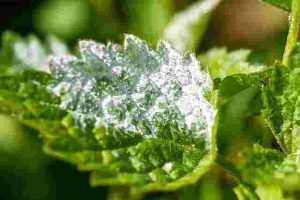
Image Credit: Pixabay
Powdery mildew is one of the most common fungal diseases affecting garden plants.
It appears as a white or gray powdery coating on leaves, stems, buds, and sometimes flowers or fruit.
Although powdery mildew rarely kills mature plants outright, it weakens them by reducing photosynthesis, slowing growth, decreasing flowering, and lowering vegetable or fruit production.
The good news is that powdery mildew is often easier to prevent than to treat once it becomes widespread.
Healthy gardening practices such as proper plant spacing, good air circulation, correct watering, and regular maintenance can significantly reduce the chances of an outbreak.
Early detection and prompt action also help prevent the disease from spreading throughout the garden.
Rather than relying solely on fungicides, successful gardeners focus on creating conditions that discourage fungal growth while keeping plants healthy and resilient.
This guide explains how to prevent powdery mildew on garden plants, including the causes of the disease, preventive gardening techniques, natural treatment options, and common mistakes to avoid.
What Is Powdery Mildew?
Powdery mildew is a fungal disease caused by several closely related fungi that affect a wide range of ornamental plants, vegetables, herbs, shrubs, and fruit trees.
The disease typically appears as a white, powder-like coating that spreads across leaf surfaces.
Unlike many fungal diseases, powdery mildew does not always require standing water on leaves to develop.
Warm days, cool nights, and high humidity often create ideal conditions for its growth.
Plants Commonly Affected
Many popular garden plants are susceptible to powdery mildew.
Common examples include:
- Roses.
- Zinnias.
- Phlox.
- Cucumbers.
- Squash.
- Pumpkins.
- Melons.
- Peas.
- Bee balm.
- Sunflowers.
Knowing which plants are more vulnerable helps you monitor them more carefully during favorable weather conditions.
Recognize the Early Symptoms
Early detection greatly improves your ability to manage powdery mildew.
Watch for:
- White powdery patches on leaves.
- Gray or white coating on stems.
- Curled or distorted leaves.
- Yellowing foliage.
- Premature leaf drop.
- Reduced flowering or fruit production.
Inspect susceptible plants regularly, especially during periods of warm days and humid nights.
Choose Disease-Resistant Varieties
Many seed companies and plant breeders offer varieties with improved resistance to powdery mildew.
Although resistant plants may still develop mild infections under severe conditions, they generally experience much less damage than susceptible varieties.
When purchasing seeds or plants, look for disease resistance information on the label whenever possible.
Provide Good Air Circulation
Poor air circulation encourages humidity to remain around plant leaves, creating favorable conditions for fungal diseases.
Space plants according to their recommended mature size.
Avoid overcrowding flower beds and vegetable gardens.
Prune dense growth when necessary to improve airflow throughout the plant canopy.
Better ventilation helps leaves dry more quickly and discourages fungal development.
Plant in the Right Location
Most garden plants grow best when they receive the amount of sunlight recommended for their species.
Plants growing in excessive shade often remain damp longer and may become more susceptible to fungal diseases.
Choose planting locations that provide both adequate sunlight and sufficient airflow.
Healthy growing conditions strengthen the plant’s natural defenses.
Water Properly
Although powdery mildew doesn’t always require wet leaves, proper watering still plays an important role in prevention.
Water the soil rather than the foliage whenever possible.
Morning watering is generally best because it allows any moisture on the leaves to evaporate during the day.
Avoid watering late in the evening when moisture may remain on plants overnight.
Avoid Excess Nitrogen Fertilizer
Applying too much nitrogen often produces rapid, soft new growth that is more susceptible to powdery mildew.
Use balanced fertilizers according to label recommendations.
Steady, healthy growth is generally less vulnerable than lush, overly tender growth.
Moderate fertilization supports stronger plants without encouraging excessive foliage.
Remove Infected Leaves Promptly
If you notice early signs of powdery mildew, remove affected leaves before the infection spreads further.
Use clean, sterilized pruning shears and dispose of infected plant material in the trash rather than composting heavily infected leaves.
Removing infected tissue helps reduce the number of fungal spores in your garden.
Keep the Garden Clean
Good garden sanitation reduces many plant diseases.
Regularly remove:
- Dead leaves.
- Spent flowers.
- Diseased stems.
- Plant debris.
- Weeds.
Many fungal spores survive on infected plant material left in the garden.
Keeping beds clean lowers the chances of future outbreaks.
Mulch Around Plants
Organic mulch offers several disease-prevention benefits.
It reduces soil splash during rain or watering, helping prevent certain fungal spores from reaching lower leaves.
Mulch also conserves moisture, regulates soil temperature, and suppresses weeds.
Apply approximately 2 to 3 inches of mulch while keeping it slightly away from plant stems.
Improve Overall Plant Health
Healthy plants naturally resist disease more effectively.
Provide:
- Proper watering.
- Adequate sunlight.
- Healthy soil.
- Balanced nutrition.
- Appropriate spacing.
Plants growing under favorable conditions recover much more quickly if minor infections develop.
Rotate Vegetable Crops
For vegetable gardens, crop rotation helps reduce the buildup of many diseases over time.
Avoid planting members of the same plant family in the exact location year after year whenever possible.
Rotating crops supports healthier soil while interrupting disease cycles.
This practice is particularly useful for cucurbits such as squash, pumpkins, cucumbers, and melons.
Use Natural Fungicides When Necessary
If powdery mildew begins spreading despite preventive measures, natural fungicides may help slow its development.
Common options include:
- Neem oil.
- Potassium bicarbonate products.
- Sulfur-based garden fungicides labeled for powdery mildew.
- Other organic fungicides approved for ornamental or edible plants.
Always follow product instructions carefully and begin treatment as early as possible for the best results.
Monitor Weather Conditions
Powdery mildew often develops during periods of warm days, cool nights, and elevated humidity.
When these conditions occur, inspect susceptible plants more frequently.
Early intervention prevents minor infections from becoming widespread.
Routine observation is one of the most effective preventive tools available.
Common Mistakes That Increase Powdery Mildew Risk
Avoid these common gardening mistakes.
- Planting too closely together.
- Ignoring early symptoms.
- Leaving infected leaves in the garden.
- Overfertilizing with nitrogen.
- Growing susceptible plants in deep shade.
- Neglecting regular pruning.
- Failing to monitor vulnerable plants during humid weather.
Correcting these habits greatly reduces the likelihood of future outbreaks.
Can Plants Recover From Powdery Mildew?
Many plants recover successfully when infections are identified early and treated promptly.
Removing infected leaves, improving airflow, correcting watering practices, and maintaining healthy growing conditions often allow plants to continue producing healthy new growth.
Although damaged leaves usually do not return to normal, preventing the disease from spreading protects the rest of the plant.
Preventing Future Outbreaks
Long-term prevention combines several simple gardening habits.
- Choose resistant varieties.
- Provide adequate spacing.
- Water correctly.
- Improve airflow.
- Maintain healthy soil.
- Inspect plants regularly.
- Remove infected material promptly.
Combining these practices creates conditions where powdery mildew is far less likely to become established.
Final Thoughts on How to Prevent Powdery Mildew on Garden Plants
Learning how to prevent powdery mildew on garden plants helps protect flowers, vegetables, herbs, shrubs, and fruit-producing plants from one of the most common fungal diseases found in home gardens.
By providing proper spacing, improving air circulation, watering correctly, choosing disease-resistant varieties, maintaining healthy soil, removing infected foliage, and monitoring your plants regularly, you can greatly reduce the risk of powdery mildew while supporting vigorous, healthy growth.
Prevention is always easier than treating a widespread infection, making regular garden maintenance one of your most valuable disease-control tools.
With consistent care and early attention to changing conditions, your plants can remain healthier, more productive, and more resistant to powdery mildew throughout the growing season.