This post contains affiliate links. As an Amazon Associate I earn from qualifying purchases. If you click a link and make a purchase, I may receive a small commission at no extra cost to you.
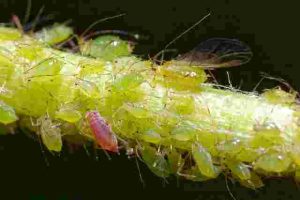
Image Credit: Pixabay
Aphids are among the most common garden pests, and they can quickly become a problem if left unchecked.
These tiny, soft-bodied insects gather in large numbers on stems, leaves, flower buds, and new growth, feeding by sucking sap from plants.
As they multiply rapidly, even a small infestation can turn into a serious issue within a short period of time.
The good news is that aphids are relatively easy to manage using natural methods.
In many cases, you don’t need harsh chemical pesticides to keep their populations under control.
By combining regular monitoring, healthy gardening practices, and environmentally friendly treatments, you can protect your plants while preserving beneficial insects such as bees, butterflies, and ladybugs.
Natural pest control focuses on restoring balance to the garden rather than eliminating every insect.
Since many beneficial insects feed on aphids, encouraging these natural predators often provides long-term control.
This guide explains natural ways to get rid of aphids on garden plants, including prevention strategies, effective treatments, and common mistakes to avoid.
What Are Aphids?
Aphids are tiny insects that feed by piercing plant tissue and sucking out nutrient-rich sap.
They are usually green, but some species appear black, brown, yellow, white, pink, or even reddish depending on the variety.
Aphids often gather in clusters on young stems, tender leaves, flower buds, and the undersides of foliage.
Because they reproduce very quickly, populations can increase dramatically within just a few weeks during warm weather.
Signs of an Aphid Infestation
Early detection makes aphids much easier to control.
Common signs include:
- Clusters of tiny insects on new growth.
- Curled or distorted leaves.
- Sticky residue on leaves or stems.
- Yellowing foliage.
- Stunted growth.
- Black sooty mold growing on sticky surfaces.
- Large numbers of ants climbing plants.
Inspecting your plants regularly allows you to spot these warning signs before major damage occurs.
Why Aphids Are Harmful
Although individual aphids remove only small amounts of sap, large colonies weaken plants by feeding continuously.
Heavy infestations may reduce plant vigor, distort new growth, and interfere with flowering or fruit production.
Aphids also produce a sugary substance called honeydew that encourages the growth of black sooty mold.
Some aphid species can also spread plant viruses from one plant to another.
Inspect Plants Frequently
Regular inspections are one of the best forms of natural pest control.
Check:
- The undersides of leaves.
- Young stems.
- Flower buds.
- Fresh new growth.
Finding aphids early allows you to remove them before they establish large colonies.
Checking your plants every few days during the growing season is often enough to catch infestations while they are still small.
Spray Aphids Off With Water
A strong stream of water from a garden hose is often enough to remove many aphids from plants.
Focus the spray on affected stems and the undersides of leaves where aphids commonly gather.
Many aphids cannot easily climb back onto the plant after being dislodged.
Repeat this treatment every few days until the infestation is under control.
This method works especially well for sturdy outdoor plants.
Encourage Beneficial Insects
Nature provides some of the best aphid control available.
Many beneficial insects feed heavily on aphids.
Helpful predators include:
- Ladybugs.
- Lacewings.
- Hoverfly larvae.
- Parasitic wasps.
Planting nectar-rich flowers such as marigolds, calendula, sweet alyssum, dill, fennel, and cosmos helps attract these natural predators to your garden.
Once established, beneficial insects often keep aphid populations at manageable levels.
Control Ants
Ants and aphids often have a close relationship.
Ants feed on the honeydew produced by aphids and may protect aphid colonies from natural predators.
If you notice many ants climbing your plants, inspect carefully for aphids.
Reducing ant activity often allows beneficial insects to control aphids more effectively.
Use Insecticidal Soap
Insecticidal soap is a popular natural treatment for aphids.
It works by breaking down the insects’ protective outer coating, causing them to dehydrate.
Spray both the upper and lower leaf surfaces where aphids are present.
Because insecticidal soap works only on insects it contacts directly, repeat applications may be necessary if new aphids appear.
Apply Neem Oil Carefully
Neem oil is another widely used natural option for controlling aphids.
It interferes with feeding and reproduction while helping reduce future infestations.
Apply neem oil according to the manufacturer’s directions, preferably during the early morning or evening when beneficial pollinators are less active.
Avoid spraying plants during the hottest part of the day.
Prune Heavily Infested Growth
If aphids are concentrated on only a few stems or leaves, pruning those sections may quickly reduce the infestation.
Use clean, sterilized pruning shears to remove heavily affected growth.
Dispose of the clippings rather than leaving them in the garden.
This simple step often prevents aphids from spreading to healthy parts of the plant.
Grow Companion Plants
Companion planting increases biodiversity and helps create a healthier garden.
Many gardeners grow flowering plants and herbs among vegetables to encourage beneficial insects.
Good companion plants include:
- Dill.
- Cilantro.
- Parsley.
- Chives.
- Marigolds.
- Nasturtiums.
These plants provide nectar and pollen that support beneficial insects throughout the growing season.
Avoid Excess Nitrogen Fertilizer
Too much nitrogen encourages rapid production of soft, tender new growth that aphids find especially attractive.
Apply fertilizer according to the recommended rates and avoid overfeeding plants.
Steady, balanced growth produces healthier plants that are generally less susceptible to severe aphid infestations.
Keep Plants Healthy
Healthy plants are naturally more resilient.
Water consistently, improve soil with compost, provide adequate sunlight, and avoid unnecessary stress.
Strong plants recover much more quickly from minor insect feeding than weak or neglected plants.
Healthy gardening practices form the foundation of natural pest management.
Common Mistakes When Treating Aphids
Avoid these common mistakes that may make aphid problems worse.
- Ignoring small infestations.
- Overusing broad-spectrum insecticides that kill beneficial insects.
- Overfertilizing with nitrogen.
- Neglecting regular plant inspections.
- Leaving heavily infested plant material in the garden.
- Applying treatments only to the tops of leaves while ignoring the undersides.
Consistent monitoring and early intervention usually provide the best long-term results.
Can Plants Recover After Aphid Damage?
Most healthy plants recover well once aphid populations are brought under control.
New leaves often grow normally after the infestation is reduced, and flowering or fruit production may resume if damage was not severe.
Prompt treatment and continued good plant care help speed recovery.
Plants with strong root systems typically recover faster than those already weakened by drought, poor soil, or disease.
Prevent Future Aphid Infestations
Preventing aphids is easier than dealing with a major outbreak.
Simple preventive practices include:
- Inspecting plants regularly.
- Encouraging beneficial insects.
- Growing companion flowers and herbs.
- Avoiding excessive fertilizer.
- Keeping the garden clean.
- Maintaining healthy soil.
- Removing weeds that may harbor pests.
Combining these strategies creates a healthier garden ecosystem that naturally discourages aphid populations.
Final Thoughts on Natural Ways to Get Rid of Aphids on Garden Plants
Learning natural ways to get rid of aphids on garden plants allows you to protect your vegetables, flowers, herbs, and ornamental plants while preserving the beneficial insects that support a healthy garden.
By inspecting plants regularly, encouraging natural predators, using water sprays, applying insecticidal soap or neem oil when necessary, controlling ants, and maintaining healthy growing conditions, you can effectively manage aphids without relying on harsh chemical pesticides.
Natural pest control works best when prevention becomes part of your regular gardening routine rather than waiting until infestations become severe.
With consistent observation and environmentally friendly gardening practices, your plants can remain healthy, productive, and resilient throughout the growing season.